How We Feed a Family of 4 for Under $180 a Week in Australia
An honest look at how we shop, plan and cook for two adults and two young children—without living on beans or giving up the food we enjoy.
Feeding a family in Australia has become expensive. Very expensive.
A quick visit to the supermarket for milk, fruit, snacks and a few ingredients for dinner can easily turn into a $200 shop—and somehow there is still “nothing to eat” two days later.
We are a family of four: two adults and two young children. We love food, we cook a lot, and being Italian means I am absolutely not interested in serving sad, flavourless meals just to save a few dollars.
But I also hate waste.
I hate throwing away vegetables I had good intentions for (like that celery that never made it to the Bolognese sauce!), buying another packet of something already hiding in the pantry, or spending $50 on a last-minute takeaway because I failed to plan dinner.
Most weeks, we keep our normal household grocery spending at around $180 or less.
That includes our main meals, breakfasts, snacks, fruit, vegetables and everyday household staples. It does not include alcohol, entertaining, nappies, expensive personal-care products or the occasional restaurant meal.
Some weeks are cheaper. Some are more expensive, particularly when we restock olive oil, cleaning products, meat or pantry staples. I look at the budget as an average rather than treating $180 as a number I must never exceed.
This is not a perfect system, and I am certainly not weighing every banana before it goes into the trolley. It is simply the practical approach that works for our family.
The biggest saving happens before I enter the supermarket
The most important part of our grocery budget is not where we shop.
It is deciding what we are actually going to eat.
Before writing a (mental) shopping list, I check:
✓ what is already in the fridge;
✓ which vegetables need to be used first;
✓ what meat, bread or cooked meals are in the freezer;
✓ which pantry products are already open; and
✓ what our week actually looks like.
I usually keep all of this in my head, but if you’re trying to get organised, I’ve put together the printable weekly meal planner I wish I’d had years ago. You can download it here.
There is no point planning an elaborate dinner for a night when we will arrive home late with two tired children.
On busy nights, I plan something genuinely quick: pasta, a freezer meal or leftovers.
Planning for the hectic life we really have saves far more than creating an impressive meal plan that we will not follow.
Free Weekly Meal Planner
Planning our meals each week is the biggest reason we keep our grocery spending under control.
I’ve turned the system we use every week into a printable planner you can stick on the fridge.
It includes:
✓ Weekly meal planner
✓ Shopping list
✓ Budget tracker
✓ Meal prep checklist
Enter your email below and I’ll send it straight to your inbox.
I plan meals around what we already own
Instead of asking, “What would I like to cook this week?”, I usually ask: “What can I make with what we already have?”
If there is half a bag of spinach in the fridge, it may become a frittata or meal side.
If we have potatoes, I might plan chicken with boiled potatoes one night and use the remaining potatoes for a mash later in the week.
If there is leftover meat, it can become sandwiches, pasta, or a quick dinner with vegetables.
This sounds obvious, but it completely changes the way you shop. The shopping list becomes a list of missing ingredients rather than a list for seven entirely new meals.
We do not cook seven completely different dinners
Variety is lovely, but it can also become expensive.
Buying a different protein, sauce, vegetable and side dish for every night creates a long shopping list and leaves behind many half-used ingredients.
I prefer to buy ingredients that can work across several meals.
A typical week might include:
✓ roast chicken with vegetables;
✓ chicken sandwiches or wraps using the leftovers;
✓ pasta with tomato sauce and vegetables… Sydney loves just plain pasta, so that makes it even easier;
✓ a frittata using leftover vegetables and cheese;
✓ scaloppine or steak with veggies;
✓ homemade pizza on Sundays;
✓ one freezer or leftovers night.
That does not mean eating the same meal repeatedly. It means allowing one ingredient to do more than one job.
Our approximate weekly grocery breakdown
Our spending changes depending on what is already at home, but a normal week might look roughly like this:
Fruit and vegetables: $40–$45
We buy a mixture of bananas, berries, seasonal fruit, potatoes, onions, carrots, leafy vegetables, tomatoes and whatever else is reasonably priced.
I do not buy every fruit my children might possibly request. We usually have two or three choices available rather than a miniature supermarket in the fruit bowl. We sometimes resort to frozen fruit if we run out before the next shop.
Seasonal produce usually tastes better and costs less. Frozen peas, spinach, berries and mixed vegetables also have a place in our kitchen. Frozen vegetables are not a failure—they are convenient, nutritious and do not rot in the crisper.
Meat, fish and other proteins: $40–$50
We do not serve a large portion of meat every evening.
A whole chicken, mince, eggs, tuna, beans and cheese can cover many meals when used thoughtfully.
Meat is often part of the meal rather than the entire focus of it. Pasta with a small amount of mince, a vegetable frittata, minestrone soup with bread can be filling without being expensive.
Dairy and eggs: $20–$25
This generally covers milk, yoghurt, eggs and one or two cheeses, depending on what we already have.
We’ve recently switched from yoghurt pouches to the big buckets, which saves us some some money.
Bread, pasta, rice and pantry items: $20–$25
We always keep a useful base of pasta, rice, flour, canned tomatoes, beans, tuna, yeast and basic baking ingredients.
A well-stocked pantry makes inexpensive meals much easier. It also prevents the “there is nothing for dinner” panic that leads to takeaway.
Snacks: $15–$20
This is one of the easiest areas to overspend.
Children’s snacks are marketed very effectively. Our trolley used to fill quickly with yoghurt pouches, bars, crackers, mini packets, character-branded snacks and individually wrapped portions.
Fruit, yoghurt served from a larger tub, toast, crackers portioned at home and leftovers can keep this category under control.
Household basics and flexible spending: $15–$25
This covers small household items, condiments or anything that needs replacing that week.
Large restocks will push the total higher, which is why I prefer to judge our spending over several weeks rather than panicking over one expensive receipt.
The meals that help us stay within budget
These are not revolutionary meals. They are simply reliable, family-friendly and flexible.
Pasta
Pasta is one of the best budget meals when it is treated as a proper meal rather than an emergency option.
We rotate simple sauces such as tomato and basil, tuna and tomato and meat ragù.
The expensive part is rarely the pasta. It is adding too many separate ingredients that only get used once.
Eggs
Eggs are useful for breakfast, lunch or dinner.
A frittata is perfect for using small amounts of vegetables, cheese, ham or potatoes. We also make boiled eggs, scrambled eggs and omelettes.
Soup
Minestrone soup is one of the easiest ways to stretch vegetables, lentils, beans and pasta.
A pot of soup can provide dinner and several lunches. Add good bread, grated cheese or a toasted sandwich and it feels like a complete meal.
Homemade pizza
Homemade pizza is inexpensive, fun for the children and ideal for using small amounts of cheese, vegetables, olives, ham or salami.
We’ve made a ritual to make our own every Sunday. I’ll share our family pizza recipe soon, together with the pizza stone we use that makes homemade pizza taste so much better.
Roast meals with planned leftovers
When I get roast chicken, I already know how the leftovers will be used.
The first meal might be roast chicken and vegetables. The next day could be sandwiches or salad.
Leftovers are not accidental in our home. They are part of the plan.
One thing that genuinely helped us waste less food was switching to glass meal prep containers. We can freeze, reheat and stack them easily, so leftovers actually get eaten instead of forgotten.
These are the glass containers we use… They occasionally are half price at Woolies, alternatively you can get them from Amazon:
Decor Vent & Seal Glass Oblong Food Container, 600ml Capacity, Transpa 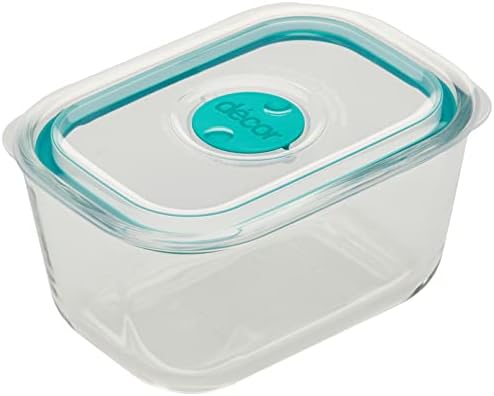
We use the freezer properly
A freezer should not be the place where leftovers go to be forgotten for six months.
I try to freeze food in portions we will realistically use, and I label it when necessary.
Useful freezer items include:
✓ sliced bread;
✓ pizza dough;
✓ cooked pasta sauces;
✓ soup;
✓ cooked meat;
✓ grated cheese;
✓ frozen vegetables; and
✓ individual portions of leftovers.
At least one dinner each week comes partly or completely from the freezer. That gives us a low-effort night and stops food from being wasted.
We are careful with “specials”
A special is only a saving when you were likely to buy the product anyway.
Buying three packets because they are discounted is not useful if your family does not particularly like them or if they sit in the pantry until they expire.
I stock up on products we genuinely use, particularly pasta, breakfast cereal, tuna, coffee, olive oil, cleaning products and some freezer items.
But I try not to let supermarket promotions write my shopping list for me.
I compare unit prices, not just ticket prices
The largest packet is not always the cheapest, and the half-price product is not automatically better value.
I check the price per kilogram, per litre or per 100 grams, especially for cheese, yoghurt, meat, snacks, cleaning products and pantry staples.
This takes only a few seconds and becomes automatic once you start doing it.
I also use a simple digital kitchen scale almost every day. It’s not about dieting… it just helps with baking, homemade pizza dough and avoiding waste.
Our kitchen scale:
Tanita KJ-212 RD Cooking Scale with Removable and Washable Silicone Co

Convenience still has value
There is a point where saving money can create too much extra work.
I run businesses, have two young children and do not have endless hours to make every cracker, loaf of bread and spoonful of yoghurt from scratch.
I will pay for convenience when it genuinely helps us.
A bag of frozen vegetables may be better value for our family than buying fresh vegetables we will not have time to prepare. A jar of good pasta sauce may prevent a takeaway. Pre-cut fruit may be worth it during a particularly difficult week.
The goal is not to achieve the lowest possible grocery bill at the expense of your time and sanity.
The goal is to spend intentionally.
What we do not include in the $180
Transparency matters, particularly when grocery-budget articles can make people feel as though they are doing something wrong.
Our approximate $180 weekly target does not generally include:
✓ alcohol;
✓ restaurant meals or takeaway;
✓ entertaining a large group;
✓ nappies;
✓ skincare and personal-care products;
✓ large bulk purchases;
✓ specialty items bought through our businesses; or
✓ celebrations and special occasions.
We also already have pantry staples at home. A family starting with an empty pantry would naturally spend more in the first few weeks.
Your family may need to spend more because of allergies, dietary requirements, teenagers, location, medical needs or limited access to different supermarkets.
That does not mean you are budgeting badly.
A sample week of family dinners
Here is an example of the type of meal plan we might follow:
Monday: Roast chicken, potatoes and seasonal vegetables
Tuesday: Pasta with peas and a light tomato sauce
Wednesday: Vegetable and cheese frittata with bread and salad
Thursday: Scaloppine with mixed salad
Friday: Mince and vegetable ragù with pasta or polenta
Saturday: Leftovers, toasted sandwiches or a freezer meal
Sunday: Homemade pizza using vegetables, cheese and pantry ingredients
Breakfasts are usually simple: yoghurt, fruit, eggs or cereal.
Lunches are a mixture of leftovers, sandwiches, and basic foods.
It is not glamorous every day—but it is good food, and it works.
My simple rules for keeping the grocery bill under control
If I had to reduce our approach to a few basic rules, they would be:
✓ Check the fridge, freezer and pantry before shopping.
✓ Plan meals around ingredients already at home.
✓ Use the same ingredients across several meals.
✓ Include at least one leftovers or freezer night.
✓ Keep a small list of inexpensive meals everyone will eat.
✓ Buy fewer individually packaged snacks.
✓ Compare unit prices.
✓ Stock up only on products you genuinely use.
✓ Accept that convenience can sometimes save money.
✓ Measure success over a month, not one supermarket receipt.
The real aim is not perfection
There are weeks when our grocery spending is higher.
There are also occasional evenings when we order takeaway, buy something unnecessary or discover a forgotten zucchini turning into soup at the back of the fridge.
We are a normal family.
Keeping our grocery spending around $180 is not about being perfect, restrictive or obsessive. It is about having a loose system that reduces waste, makes weekday meals easier and helps us spend our money on things we value more.
Good food does not need to be complicated or extravagant.
Most of the time, it simply needs a little planning.
About The Author

alicebellavita
Hi! My name is Alice and I am Italian expat neo-mum living in Australia since 2011.